

Black Friday is famous for great deals on products like TVs, furniture, video games, and more. However, scammers also use this day to ramp up their fraudulent activities. And with technologies like AI, deepfakes, and social engineering getting more sophisticated, anyone could be targeted and fall victim to scams. To help you navigate the busy holiday shopping season and stay clear of fraudsters, here are 10 of the most common Black Friday scams.
1. Fake Websites
Scammers set up website “clones” with similar layouts, product images, and logos of popular online retailers. These sites can have very enticing deals or discounts on products you may be looking for. But if you make a purchase at this store, you’ll be sent to a fake checkout page where any information you submit can be used for fraud or identity theft.
To spot fake websites, look for misspelled URLs, like Ama2on.com or Wal.Mart.com. These can fool anyone at first glance, so be vigilant in your online- shopping.
2. Fake Social Media Ads
Scammers will set up ads on social media platforms like Facebook, Instagram, or TikTok or through text and SMS, imitating popular brands offering big discounts, coupons, or gift cards. The scammers want you to click on the ad, which directs to a fake online store, and try to get you to submit sensitive information.
These ads often have deals that are too good to be true, like 70-90% off a product, so that’s a good red flag to spot and avoid Black Friday scams.
3. Account Verification
Scammers pose as popular retailers and contact you through text or email offering either too good to be true discounts or even issues with your account. Then they ask that for security reasons, you verify account information. But when you interact with the link they provide, you’re directed to spoofed websites that steal your login credentials.
4. Fake Order and Delivery Alerts
Similar to account verification scams, fraudsters use urgent texts, emails or even leave a note on your door claiming a package you likely didn’t order is having delivery issues. Phishing links included in these messages lead to spoofed websites that steal login credentials or install malware on your device.
5. Captcha Links
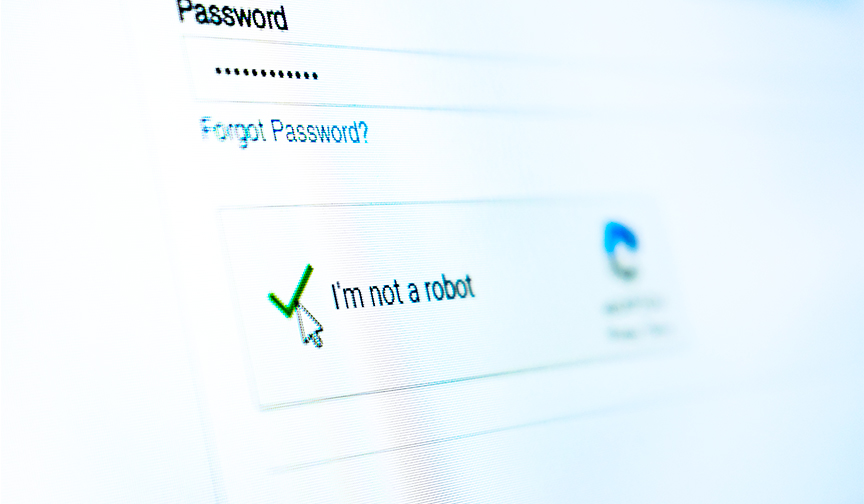
While you might not be a robot, scammers are betting you click on the “I’m not a robot” popup you often get when you visit a website. These popups never ask you to run a command on your device or use pressure tactics to get you to act. If you spot these signs, you’re on a scam site and should leave immediately.
How to Protect Yourself
Before you interact with anything, make sure to double-check URLs, phone numbers, and emails. Also, do your due diligence and research offers that look too good to be true.
Online reviews can be helpful as you can see if other people have been targets of Black Friday scams. Staying alert to red flags and other indicators can help you ensure your holiday shopping goes without any problems. If you spot fraud, you can report it to the FTC.
For more on fraud prevention, check out our resources page here for information on the types of scams you may encounter year-round. Plus, get tips on how to recognize signs of fraud and ways to keep your finances safe.

Protecting Your Teens from Peer-to-peer Payment App Scams

New Scams to Look out for in 2026