


Scammers are constantly looking for new and inventive ways to steal someone’s hard-earned money or private information. So, it’s important to remain vigilant and watch for major warning signs, especially when browsing the internet. Here are four of the latest scams that have become more prevalent and what you can do to avoid them.
CAPTCHA/Prove You’re Not a Robot
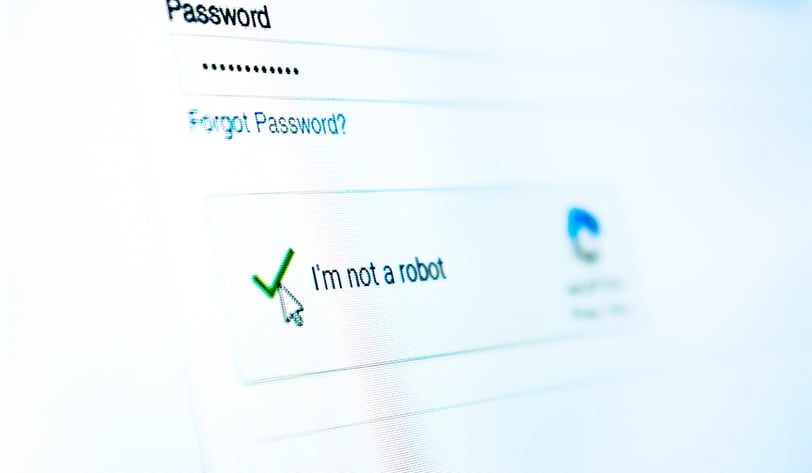
When you visit a website, you’ve likely seen a pop-up that asks you to verify your identity, whether it’s by checking a box or typing in a code. Scammers are using this technology to trick people into installing malware on their device. How it works is that whenever you visit a website, you get an unexpected pop-up asking to verify if you’re human.
Normally, this would involve the usual methods, but with a CAPTCHA scam, you may be asked to follow certain steps to verify your device. It might ask you to type commands into your computer. Once you do this, the scammer can install malware and steal your valuable information. A real CAPTCHA doesn’t require you to install anything or run prompts on your device.
If you get a prompt like that, stop interacting with the website, disconnect from the internet, run security scans, and change any relevant passwords.
Tech Support
Scammers pose as tech support for known companies, like Microsoft or Google, and contact you about a critical issue with your device you need to fix quickly. However, and this is a sign of a scam, they then ask you to send cash, gift cards, or cryptocurrency. They will then ask for remote access to your computer, and once you grant that, your money and personal information are at risk of being stolen. These companies never contact you about any issues out of nowhere. So, if a person is claiming to represent these major companies, don’t interact and report the scammer to the authorities.
Digital Arrest
This is a very sophisticated scam that really preys on fear. While more common in Asian countries, these elaborate scams are becoming more prevalent around the world. In a digital arrest scam, fraudsters impersonate federal agents, such as the FBI, DEA, OR NSA, and target victims with fabricated warrants or investigations for severe crimes. Scammers contact you through video chatting platforms and interrogate you for hours at a time, threatening arrest if you do not pay a settlement or fine to get rid of the bogus charges. Law enforcement does not make these kinds of threats. If you receive a call from someone threatening you, hang up and contact the proper authorities.
Investment Clubs
This is a scam that has been steadily increasing over the past few years. Fraudsters set up fake brokerage firms and invite unsuspecting investors to join their “investment club” through social media platforms. While they seem legitimate, they control low-priced stocks and convince their club members to invest in them, inflating their price. Then, the scammers dump their shares at a profit, so the investment club members register big losses. It’s called “ramp-and-dump,” which amounts to targeted stock manipulation.
For more information on how to protect yourself from the latest scams and tips on what to do if you’re a victim of fraud, visit the Cyprus CU Fraud Prevention page here.

Protecting Your Teens from Peer-to-peer Payment App Scams

Romance Fraud: What to Know about Online Dating Scams